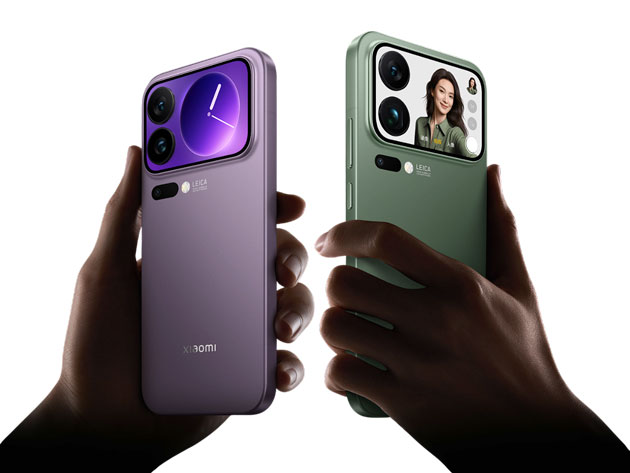
Xiaomi is inviting the iPhone to a full-scale duel with its new flagship. Is the 17 Pro Max, with its powerful hardware and ambitious camera, the winner of this battlefield?
Most similar to the rival; that’s perhaps the most accurate description of Xiaomi’s growth strategy. It’s a path where the Chinese company isn’t only unafraid of blatant imitation but has deliberately turned it into a part of its identity and DNA.
Naturally, there’s clear logic behind this choice. Xiaomi and many Chinese brands prefer to bet on others’ winning horses to save on massive R&D costs, following a proven path with less risk. On the other hand, when brands like Apple enjoy high popularity, moving step-by-step in a similar direction seems smooth and risk-free. In other words, Xiaomi has a clear goal: to follow the main path of its competitors without their shortcomings or stinginess.
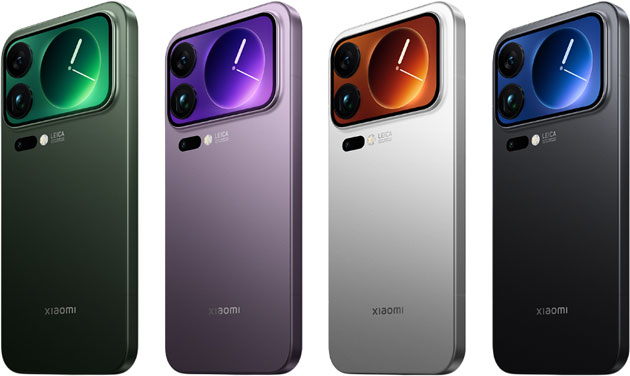
A prime example of Xiaomi’s goal can be seen in its recent decision. When Lu Weibing, Xiaomi’s President, announced on Weibo just days after the iPhone 17 series launch that their next flagships would be named the Xiaomi 17 series instead of the 16, we didn’t know whether to laugh or cry. He even announced the addition of a Pro Max version with a design similar to the iPhone 17 Pro series. This move was enough to make Xiaomi the main subject of user jokes on social media.
Now, the Chinese company’s most adventurous phone, the Xiaomi 17 Pro Max, has reached me so I can provide an accurate picture of its performance and capabilities through a comprehensive review. Stay with Informora for the Xiaomi 17 Pro Max review.
Design: Not Luxury, But Likable
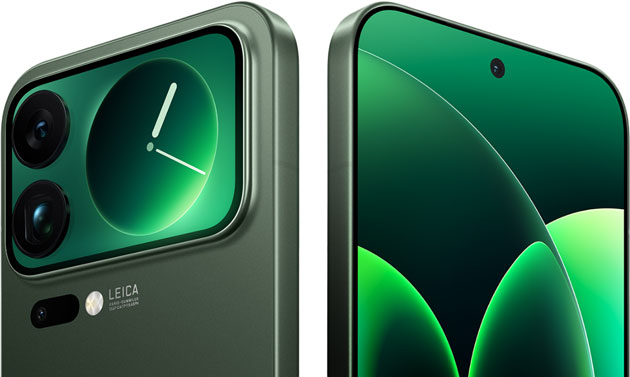
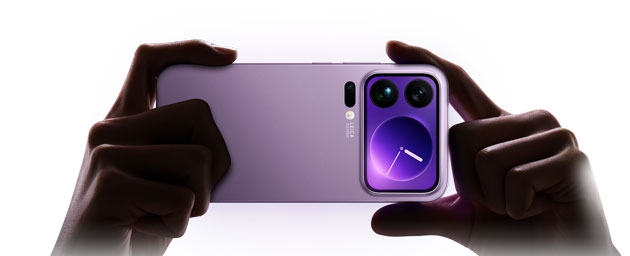
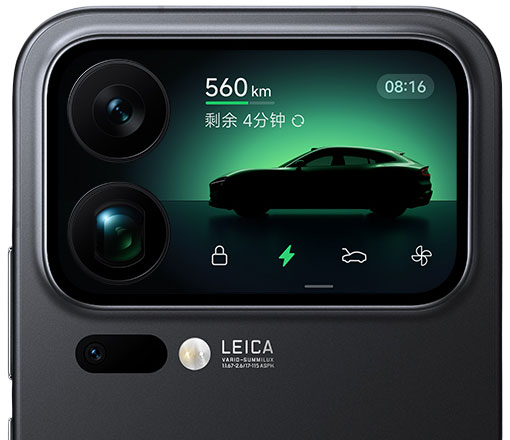
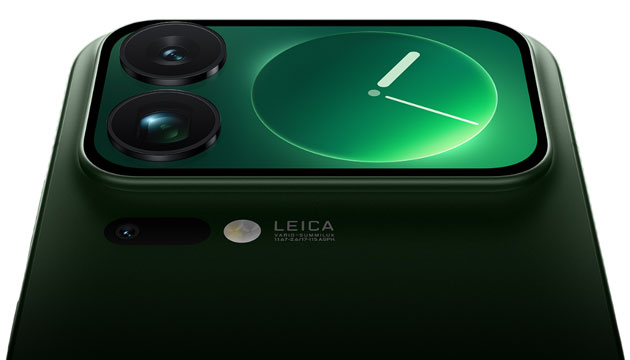
With the “Plateau” design wave heating up in the new iPhones (that rectangular bump on the back), Xiaomi decided to try its luck again at reviving the idea used in the Mi 11 Ultra. This idea looks more mature and practical in the Xiaomi 17 Pro Max, bringing a new competitive advantage to the field by placing a 2.9-inch secondary display on the rear bump.
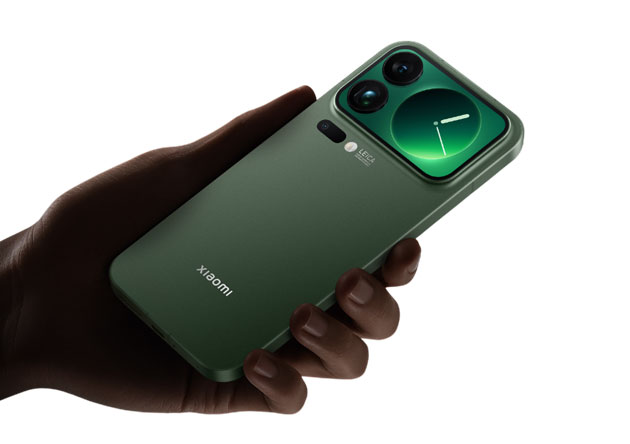
The rear display, which was the main focus of Xiaomi’s advertising for the 17 Pro series, houses the main and telephoto cameras. Below it, on the flat fiberglass body, the ultrawide camera and LED flash are placed without any protrusion. Yes, you read that right! Surprisingly, the back panel of the Chinese flagship isn’t glass like the Xiaomi 15 Ultra and still uses a type of plastic and glass fiber composite.
Using plastic and glass fiber composite has helped Xiaomi compensate for the added weight of the massive 7500mAh battery. Despite having dimensions relatively similar to the iPhone 17 Pro Max, the final weight of the device reaches 219 grams, making it about 14 grams lighter than its American rival. Of course, this fiberglass material prevents the device from having a premium feel. Almost every friend of mine who held the Xiaomi flagship pointed this out.
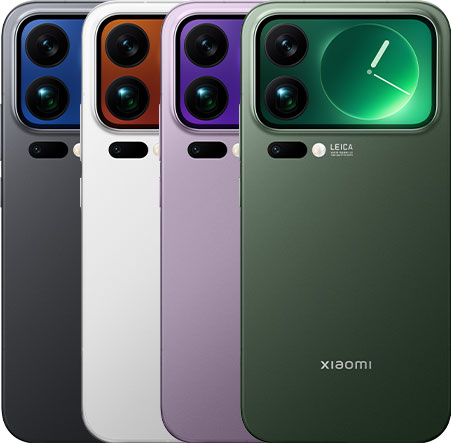
We had the black version for review, and its body doesn’t attract many smudges or fingerprints. However, you need to care for it meticulously because the slightest attempt to clean the panel causes that area to become shiny and distinct from the rest of the body.
The plastic protector on the secondary display can create static electricity when in contact with various surfaces and collect dust around the camera lenses. This might not be very pleasant for sensitive users.
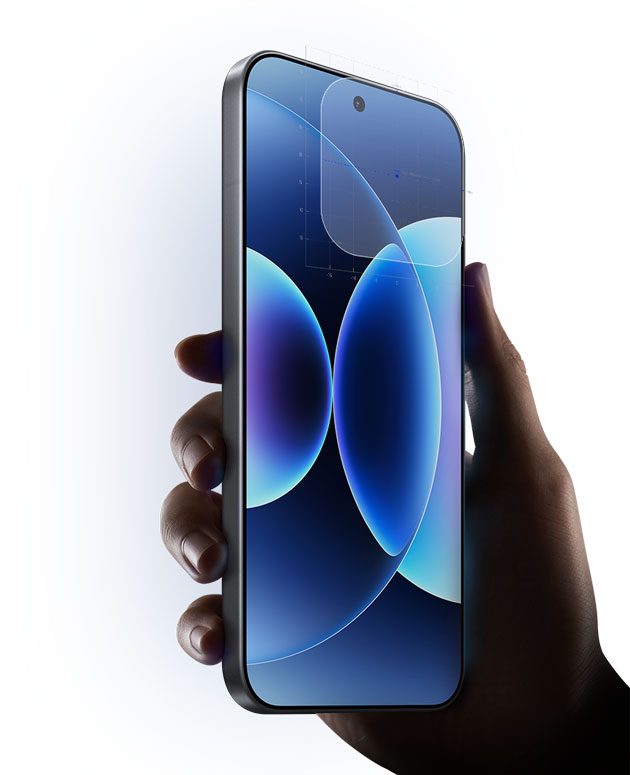
The Xiaomi 17 Pro Max’s frame is made of aluminum and connects the body and the large 6.9-inch display well with gentle curves at the edges. The display occupies a significant portion of the front panel, equivalent to 92%, and offers a pleasant and immersive experience with very minimal bezels.
Despite the large dimensions and relatively high weight, the thin 8mm thickness, balanced weight distribution, and gentle curves of the aluminum frame make the device relatively comfortable to hold.
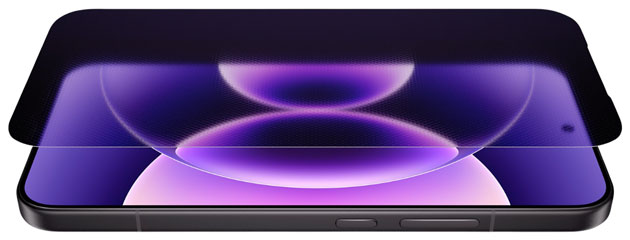
To protect the main display, Xiaomi has used its proprietary Dragon Crystal Glass 3.0. With deep optimization of micro-crystalline glass, it’s 30% more resistant to scratches and breakage compared to the Xiaomi 15 Pro display. The secondary display isn’t without protection either and uses the previous version, Dragon Crystal Glass, which has less resistance.
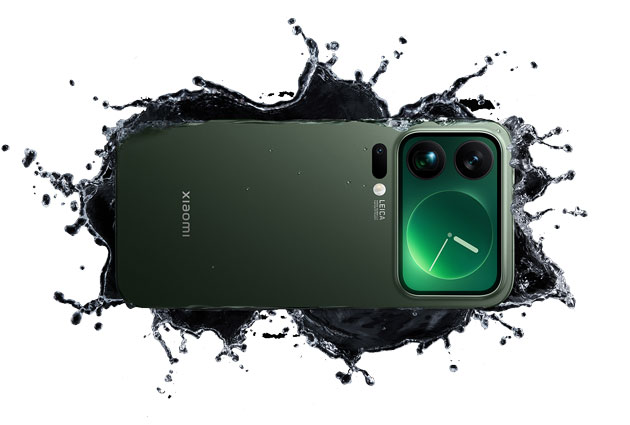
The edges of the frame, display, ports, and buttons are sealed with special adhesives and tapes, offering high resistance against water and dust. The phone can survive at a depth of six meters for half an hour without damage thanks to its IP68 certification.
Display: Advanced and Brilliant
For the 6.9-inch display of the 17 Pro Max, Xiaomi has settled for a resolution of 1200 by 2608 pixels, known as the 1.5K standard. At first glance, this resolution might seem insufficient for a high-end phone of this size, especially when some mid-range models with smaller 6.7-inch displays offer higher pixel density. But why has Xiaomi acted conservatively with the resolution of its new flagship?
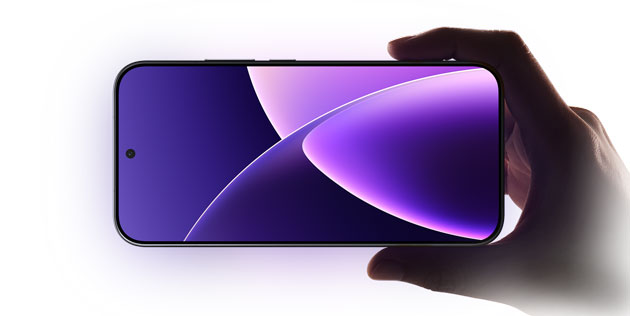
Xiaomi says both the main and secondary displays use an OLED Super Pixel panel. Unlike the conventional PenTile design in OLEDs, this panel doesn’t borrow subpixels from one another and uses an innovative RGB S-Stripe arrangement. This advanced technology was previously used in the 2024 13-inch iPad Pro, with the key difference being that Xiaomi has implemented it for the first time in a smaller mobile phone with higher pixel density.
In the RGB S-Stripe structure, each pixel has three dedicated red, green, and blue subpixels. With a quick calculation, a panel with a density of 419 ppi provides a total of about 9.39 million subpixels, which upgrades the visual quality beyond typical 1.5K panels.
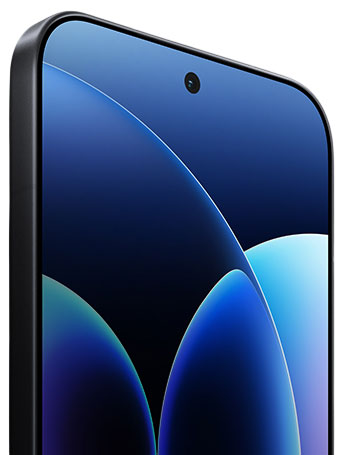
Xiaomi states that by using new light-emitting materials in the 17 Pro Max display, it’s managed to increase color accuracy and vibrancy, improve contrast, and reduce energy consumption at the same time. These improvements are clearly tangible in the user experience, and colors appear vivid, transparent, and eye-catching on the Xiaomi 17 Pro Max screen.
In the Original Color Pro color profile, the display covers nearly 100% of the sRGB color space and offers very accurate performance with negligible color error, comparable to the iPhone 17 Pro Max.
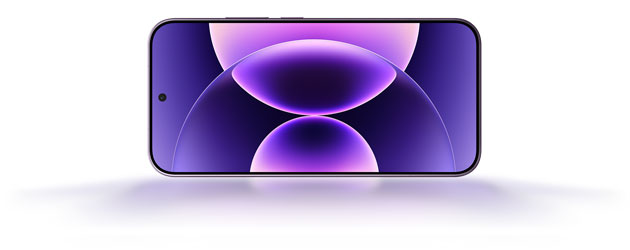
In terms of brightness, the Xiaomi 17 Pro Max also shows a brilliant performance. In our tests, the phone’s display hit a staggering 3900 nits of brightness while playing HDR content and near a direct light source. This is higher than Xiaomi’s official claim of 3500 nits. In manual brightness mode with Sunlight Mode active, brightness increases to 1200 nits, and in auto mode, it reaches 2200 nits.

Xiaomi says brightness control on the 17 Pro Max is mainly done through DC Dimming. However, by activating the Adaptive Refresh Rate Pro option in the display settings, the control method can be changed to PWM.
Xiaomi flagships have very precise refresh rate control systems, and the 17 Pro Max is no exception. While working with the phone, we noticed that the display can adjust the refresh rate based on the type of content and the speed of finger movement in real-time within the smallest possible ranges from 1 to 120Hz.
So far, the high-quality panel, minimal bezels, full sRGB coverage with minimum error, the highest brightness levels, and support for HDR10+ and HDR Vivid standards all create a delightful experience.
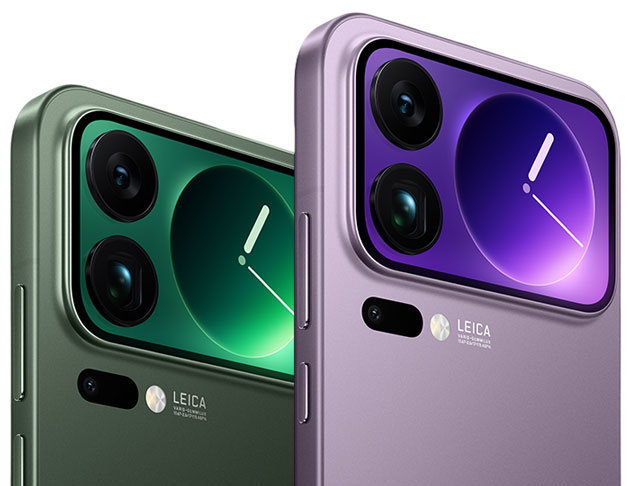
Xiaomi hasn’t held back on the 2.9-inch secondary display either. With a resolution of 976 by 596 pixels, it offers features close to the main display. Of course, time will tell how much users get used to this screen and use it in daily tasks, but it’s undeniable that the rear display has made the Xiaomi 17 Pro Max more visually attractive.
Supporting technologies like Dolby Vision and HDR10+, the second screen allows users to view notifications and the time, as well as use a special feature as a camera viewfinder. This lets you capture 8K selfie videos and photos with the professional main camera. Thanks to this feature, the selfie experience is completely different and advanced.
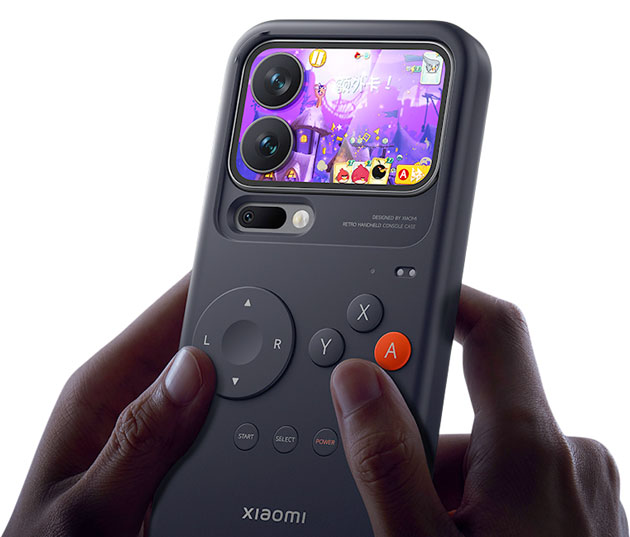
The secondary screen’s uses extend to entertainment and customization. Xiaomi has enabled customizable widgets, instant notes, music control through apps like Spotify, and AI-supported animated wallpapers. Also, with Xiaomi’s $40 retro case that turns the second screen into a handheld game controller, users can experience classic games directly on it.
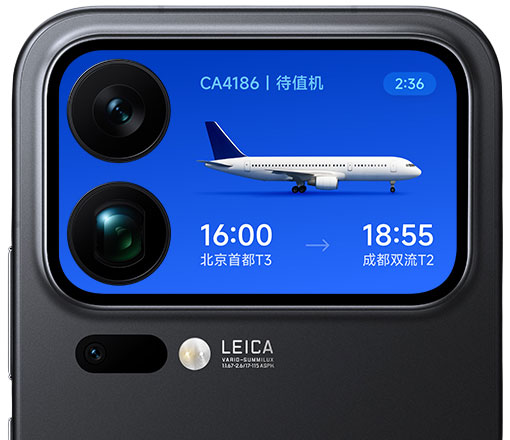
The Xiaomi 17 Pro Max’s second screen is smartly integrated with HyperOS 3. This means notifications are managed optimally, and the screen turns off automatically when the phone is placed on a table or on its back to reduce energy consumption.
It seems the speakers weren’t a priority. The audio quality might be acceptable, but our reviews show that in some scenarios, the device’s audio performance isn’t very impressive even compared to the iPhone 13, Apple’s veteran flagship.
In the default mode (Xiaomi Sound), the 17 Pro Max’s stereo speakers don’t provide deep or punchy bass. By activating Dolby Atmos, the sound becomes a bit clearer, and the bass punch is felt more in rhythmic songs, but there’s still no sign of powerful bass or high volume. In challenging rock and metal tracks, the instrument mix sometimes gets messy, and distortion becomes hard to control.
In the mid-frequency range, sounds are heard relatively clean and separated, but in high frequencies, the necessary energy and brilliance are missing, and the sound feels a bit flat. Overall, the speakers are suitable for simple music with low detail, but that’s not the case for more complex tracks.
Hardware and Performance: The Dragon in Chains!
The Xiaomi 17 Pro Max is the first phone released with the Snapdragon 8 Elite Gen 5 chip. Therefore, testing its performance was very exciting. This chip uses advanced Oryon Gen 3 cores with Qualcomm’s own custom design, and the American chipmaker is proud of its power and efficiency!
Qualcomm claims the new architecture improves single-core performance by 20% and multi-core processing by 17%. The Adreno GPU is also designed with 18MB of dedicated memory and a maximum frequency of 1.2GHz, providing 25% better performance and using up to 20% less energy than the previous generation.
A Bigger Battery Doesn’t Mean More Battery Life!
The Xiaomi 17 Pro Max uses a high-capacity 7500mAh lithium-ion battery with a silicon-carbon anode. This emerging technology allows for increased battery capacity with minimal size increase. In daily use, the 17 Pro Max had the highest battery life. However, in video playback tests, the iPhone 17 Pro Max with its smaller battery lasted about 30% longer.
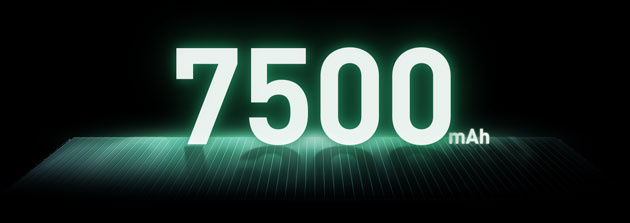
In heavy graphic processing, the Xiaomi flagship’s battery life is almost equal to the Galaxy S25 Ultra with a 5000mAh battery. This indicates that energy efficiency in Xiaomi isn’t as good as expected yet. Factors like processor frequency fluctuations due to early thermal throttling have practically neutralized the advantage of the high battery capacity in this test, and the device’s battery life hasn’t progressed much compared to competitors.
Another surprising point is Xiaomi’s downgrade in the USB-C port section. Instead of the USB 3.2 Gen 2 standard with 10Gbps speed, we see the use of USB 3.2 Gen 1 with 5Gbps speed. However, this can be somewhat overlooked because Xiaomi has abandoned fast-charging exclusivity. You no longer need to use only Xiaomi’s 100W adapters to reach 100W charging speeds.
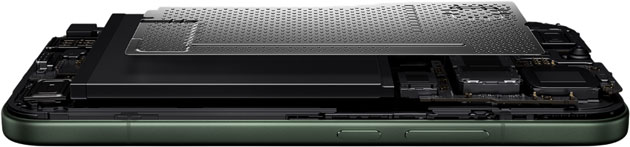
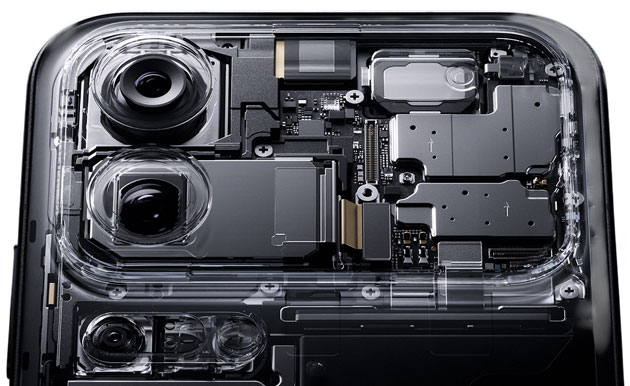
To control heat, Xiaomi has used a vapor chamber cooling system with an incredibly large surface area of 5533 square millimeters, where heat conduction happens 55% better. On every square centimeter of the cooling system with an advanced capillary structure, 5000 micrometer holes are etched to guide the flow of vapor and liquid in layers.
Since the body is made of fiberglass and has limited thermal conductivity, more heat is transferred to the display and the aluminum frame, where the cooling system has its closest layer.
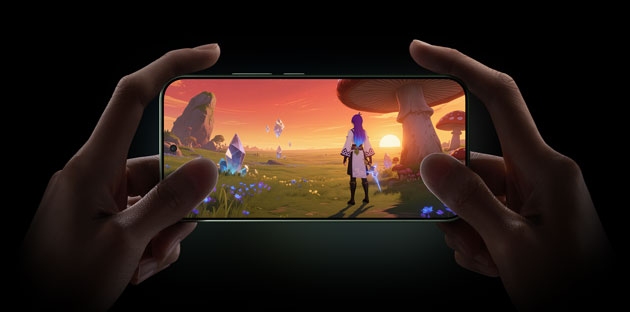
Xiaomi claims that even in the heaviest daily scenarios, the body temperature doesn’t exceed 38.8 degrees Celsius, and our experience largely confirms this. After about an hour of mixed use including photography, videography, and games like Genshin Impact and Delta Force, the temperature didn’t go above 38 degrees, and the cooling system performed well. It’s worth noting that both games were run at the highest possible graphic settings with a stable 60 fps.
The increase in temperature behind the display to about 50 degrees Celsius and the frame and front/back panels to over 47 degrees shows that the cooling system, despite absorbing heat very well from the chip, can’t efficiently distribute all the dissipated heat over the entire body surface under heavy processing pressure. In comparison, the hottest point on the iPhone 17 Pro Max body during a stress test was 8 degrees cooler than the Xiaomi 17 Pro Max, thanks to its integrated aluminum structure.
Camera
Xiaomi has left a dedicated spot in its production line for a ‘camera-centric flagship,’ and we have to wait for the release of a device likely named the Xiaomi 17 Ultra to see their latest wonder in the camera field. However, they haven’t been indifferent to the Xiaomi 17 Pro Max either. The main trump card of this device’s camera is the new 50MP sensor for the wide lens, which Xiaomi calls Light Hunter 950L.
Xiaomi’s exclusive Light Hunter, supplied by SmartSens this year, has gained attention due to its advanced LOFIC (Low-Noise Floating Diffusion Capacitor) technology. Simply put, this technology brings the light absorption capacity of pixels to a high level, significantly increasing the sensor’s inherent ability to capture details in very bright areas without pixels ‘burning out’ due to light intensity. As a result, the need to capture and merge multiple frames for an HDR image is reduced, putting less processing pressure on the phone.
HDR video recording has also improved significantly because the video lighting looks more natural than when more frames are merged, and lag during recording is less likely due to the lower processing load.
Xiaomi claims the light difference between the darkest and brightest points that the sensor detects through HDR technology reaches a staggering 16.5EV.
The wide camera’s performance is notable in other aspects too. Photos show high contrast while maintaining details in all highlights and shadows. The pixel-by-pixel texture separation doesn’t look cartoonish, embossed, or like a watercolor painting unlike some competitors, and is closer to the output of professional camera sensors. This makes the overall photo look very high-quality, especially during the day.
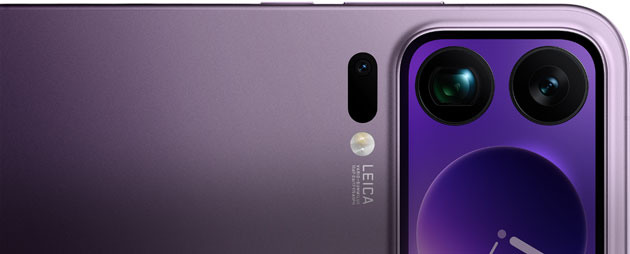
In terms of color, you can’t really trust the photos for being realistic. For years, Xiaomi has developed exclusive color profiles for its flagships in collaboration with Leica. By default, photos are captured with the Leica Vibrant profile, which, combined with a wide dynamic range, excellent lighting, and precise contrast between highlights and shadows, is very attractive, impactful, and lively. But colors are exaggerated and warm, and you should switch to Leica Authentic to get closer to ideal color conditions.

Using the Authentic profile has its own pros and cons. Photos get a more artistic feel, shadows and highlights become more prominent, and corners look darker due to the Vignette mask, which slightly upsets the overall lighting balance.
Interestingly, in the ultrawide camera, contrast and color saturation are lower, and the white balance is set towards a higher temperature. Who knows? Maybe Xiaomi views the ultrawide camera as an alternative for those who prefer neutral and close-to-reality photos.

Regardless, Xiaomi’s flagship camera app allows you to choose from a diverse range of Leica color and black-and-white filters.
Speaking of the ultrawide camera, it’s a bit more limited than the wide camera. Its 17mm lens covers a 102-degree field of view and uses a 10% smaller sensor with an f/2.4 aperture. The placement of this camera in the small capsule under the rear display bump is so compact you might even think it’s been removed. Interestingly, this same sensor is used for selfies.

The ultrawide camera performs well in daylight. Although it doesn’t offer an extra wider field of view compared to the wide lens, textures are clean and desirable, providing quality beyond what’s expected from a typical 50MP sensor. Its only limitation is a lower dynamic range, visible in the loss of detail in bright areas. Other than this and the white balance/contrast settings, ultrawide photos are close in feel to the wide camera and cover the inherent weaknesses of the lens and sensor to some extent.
Finally, the telephoto camera is equipped with a 30% larger sensor. Its 115mm lens offers 5x zoom relative to the main camera, and digital zoom is possible up to 120x, which is mostly handled by AI.

If you aren’t looking for space zoom, you’ll see the telephoto camera’s stunning performance in extracting the smallest scene details with a completely natural texture. But if you use 10x zoom or more, softening of details (especially edges) and increased contrast intensity will be added to the camera’s work.
The phone’s Super Macro mode uses the telephoto camera. You need to move the phone 20 to 30 cm from the subject to get the desired result. Consequently, photos might not look much like macro shots, but a good level of detail can be seen by digitally zooming before taking the shot.
The large sensor and wide focus range add natural focus planes and depth of field to the photo. Since the software bokeh and subject separation from the background aren’t very good, you might not even need to use portrait mode for close-up portraits.

Another thing that caught my attention is the heavy retouching applied to faces after processing. It doesn’t matter which camera you use; the app changes skin texture, color, and sometimes face shape based on conditions, which can be disabled from the Beautify section.
Xiaomi 17 Pro Max cameras behave in the dark almost like the Xiaomi 15 Ultra. The wide camera, thanks to its light-sensitive sensor, captures almost all details in dark and bright areas of a scene with medium ambient light with minimal software interference. But the ultrawide and telephoto cameras are less capable of absorbing light, and the software steps in to reduce noise and blur, making the images soft. Sometimes this processing is excessive, and important details vanish or ghosting effects are created.
Despite Xiaomi’s claims about anti-reflective lens coatings, the telephoto and ultrawide cameras are mediocre at repelling light reflections. Excessive light flare and uncontrolled intensity of light sources result in long halos around lamps, and images generally have a ‘greasy’ look. The only positive point is the contrast and color depth.
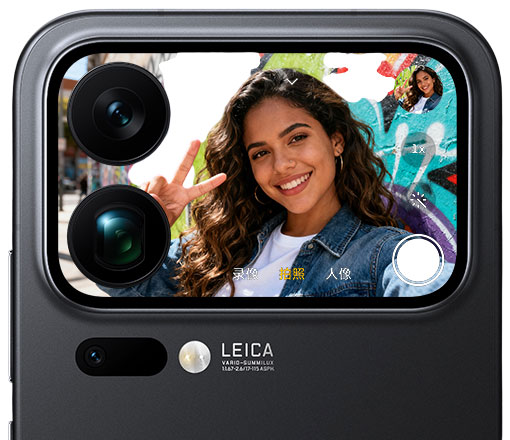
The selfie camera doesn’t quite perform like a flagship. Its performance isn’t bad, but even some mid-range phones take better selfies. Likely because users can take high-quality selfies with the main camera and rear screen, Xiaomi hasn’t focused much on this camera.
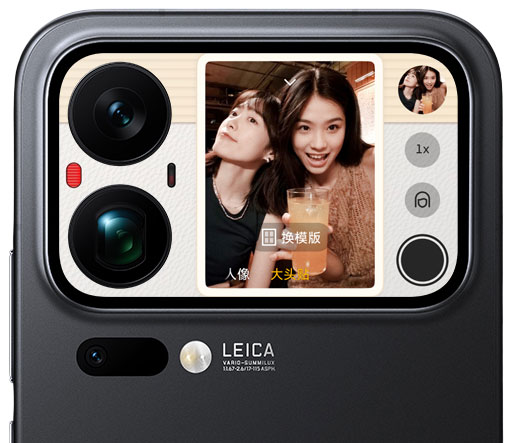
The camera app still offers full features, including color filters, Fastshot mode, manual focus, custom styles, 4K 120fps Dolby Vision video, up to 15x digital zoom, and night video. There’s also an option for portrait video with adjustable Bokeh intensity.
Another exciting feature is super slow-motion recording at a very high rate of 1920 fps at 720p, which now works on the telephoto and ultrawide cameras too. If you want higher quality and longer recording time, you can set the rate to 960 fps and record very attractive close-up slow-motions at 1080p.
Software
The Xiaomi 17 Pro Max is currently only sold in the Chinese market and is one of the company’s first phones with HyperOS 3 based on Android 16. Given the Chinese ROM, you’re faced with a set of pre-installed local Chinese apps upon setup, though fortunately, most can be uninstalled.
The main limitation in Xiaomi’s China ROM is very limited language support; the Chinese version usually only supports Chinese and English. Even with the language set to English, you’ll still see Chinese phrases and notifications in parts of the UI.
Additionally, Google services aren’t available by default in the China ROM, but installing them isn’t difficult. After entering settings, activate the Basic Google Services option, then install the Google Play Store from the Mi App Store. Once you log in, GMS services like Gmail and YouTube are automatically installed.
In HyperOS 3, Xiaomi has made extensive changes to the UI and visual experience. Over 100 system-level animations have been redesigned, and the home screen and icon designs have undergone major changes for a more modern look.
Exploring the HyperOS 3 interface, you can see traces of design similar to Apple’s Liquid Glass. While not staggering, it clearly shows that Xiaomi is gradually moving toward this design language in line with Apple.
Features like AI Dynamic Wallpaper and Cinematic Lock Screen have taken a more complete form in HyperOS 3, allowing various animation styles to be applied to different images using AI.
Hyper Island is very similar to iPhone’s Dynamic Island, appearing as a capsule menu at the top of the display around the camera cutout, acting as a shortcut for some running apps like timer, flashlight, music, navigation, and voice recorder.
Xiaomi’s AI features, called HyperAI, provide various capabilities such as AI Writing, AI Speech Recognition, AI search, and real-time translator.
The gallery app in HyperOS 3 also brings changes. Users can now customize the image display layout and determine exactly what content they see when opening the gallery. The search section is smarter and optimized for 10 popular categories including food and natural landscapes.
Xiaomi hasn’t officially announced the update policy for the Xiaomi 17 Pro Max yet. However, based on the recent trend with the 15 series and other flagships, we expect this phone to receive four years of OS updates and six years of security updates.
Conclusion: Who is the Xiaomi 17 Pro Max for and at what price?
The Ultra versions of Xiaomi flagships, with their exaggerated and cumbersome designs, never convey the feeling of a normal phone suitable for daily use. These series have been more of a showcase for Xiaomi’s power against rivals rather than built for continuous use. Therefore, it was time to pave the way for a flagship between the Pro and Ultra versions, and it seems the Xiaomi 17 Pro Max is that missing puzzle piece.
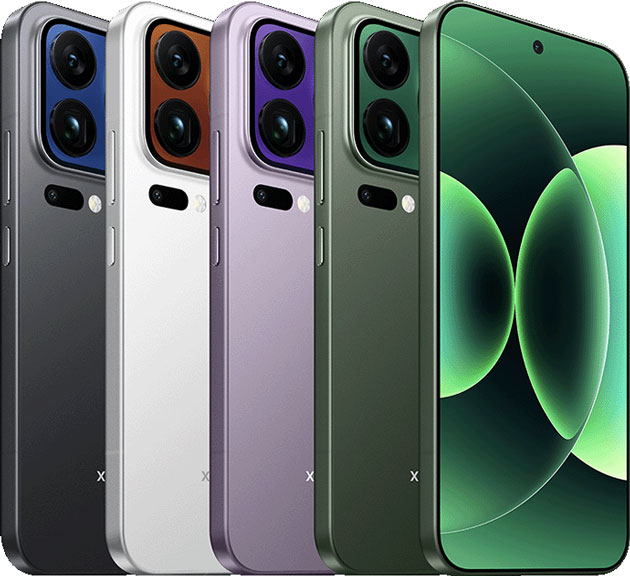
Modern and user-friendly design, a resistant display with 3900 nits peak brightness that displays colors beautifully, very good performance in most processing scenarios due to the latest Qualcomm chip, and an efficient camera are all reasons to trust Xiaomi for buying a flagship. On the other hand, none of these prevent us from closing our eyes to the phone’s weaknesses.
Currently, the price of the Xiaomi 17 Pro Max in the Chinese market is about $900, and the global version is expected to launch with a tag higher than $1200. For this reason, it’s not acceptable at all that the back panel is made of plastic composite at such a hefty price. Also, although the 17 Pro Max performs very well in most scenarios, chip limitations at this level are unacceptable.
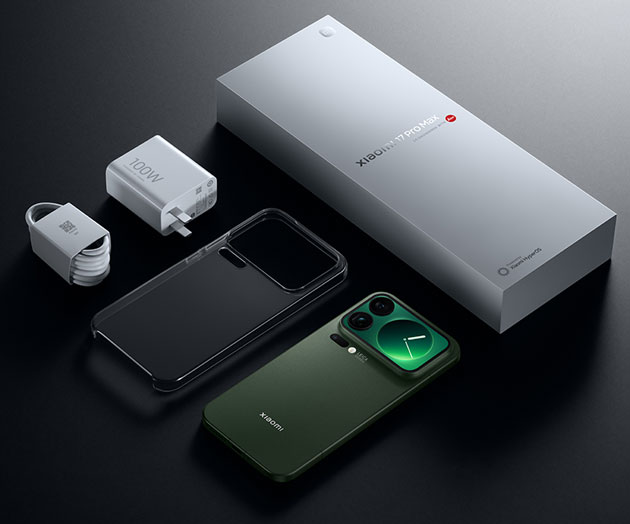
The Xiaomi 17 Pro Max has other drawbacks, the most important being the not-so-impressive battery life relative to its giant battery. On the other hand, the secondary display’s features aren’t enough to justify the worry about it getting damaged.
With all the pros and cons we reviewed, do you think the Xiaomi 17 Pro Max is worth buying? Share your thoughts in the comments.